Key Takeaways
- Outdoor audio distribution provides higher profit margins compared to saturated indoor electronics categories.
- Bundling audio with landscape lighting increases average order value and simplifies installation for contractors.
- Private label outdoor audio allows distributors to build brand loyalty and reduce direct price competition.
- Weather-resistant technology advancements have reduced return rates and increased customer satisfaction.
- Partnering with an experienced outdoor audio manufacturer ensures reliable supply chains and technical support.
- Smart home integration drives demand, making audio a essential component of modern outdoor living spaces.
Introduction
The outdoor living market has evolved from simple patio furniture into a sophisticated extension of the indoor home experience. As homeowners invest more in their backyards, the demand for integrated technology has surged. For business-to-business suppliers, our outdoor audio category represents one of the most resilient and profitable growth vectors available today. Unlike commoditized indoor electronics, outdoor audio requires specialized knowledge, durable materials, and professional installation, creating a natural moat against big-box retail competition.
This article explores why adding outdoor audio to your portfolio is a strategic move. We will examine how partnering with the right outdoor audio manufacturer can enhance your value proposition. You will learn how to leverage private label outdoor audio programs to differentiate your offerings.
By understanding the synergy between audio, lighting, and hardscaping, distributors can unlock new revenue streams and strengthen relationships with dealers and installers.
The Strategic Value of Outdoor Audio
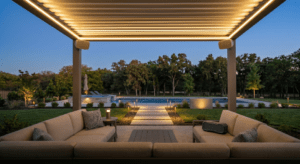
The shift toward “outdoor rooms” has changed consumer behavior. Homeowners no longer view the backyard as a separate entity but as a seamless continuation of their living space. This psychological shift drives the need for high-fidelity sound that matches the quality of indoor systems.
According to the National Association of Landscape Professionals (NALP), investments in outdoor living spaces continue to rise as homeowners seek resort-style amenities at home. For distributors, this means moving beyond basic speakers into comprehensive audio ecosystems.
Industry experts suggest that customers who invest in outdoor audio are likely to spend significantly more on complementary products. Data from the Consumer Technology Association (CTA) market data indicates that smart home integration is a key driver for these purchases. This includes private label outdoor lighting and premium hardscape materials.
By positioning yourself as a one-stop shop for outdoor technology, you increase stickiness with your dealer network. Dealers prefer suppliers who can provide bundled solutions rather than forcing them to source audio from one vendor and lighting from another.
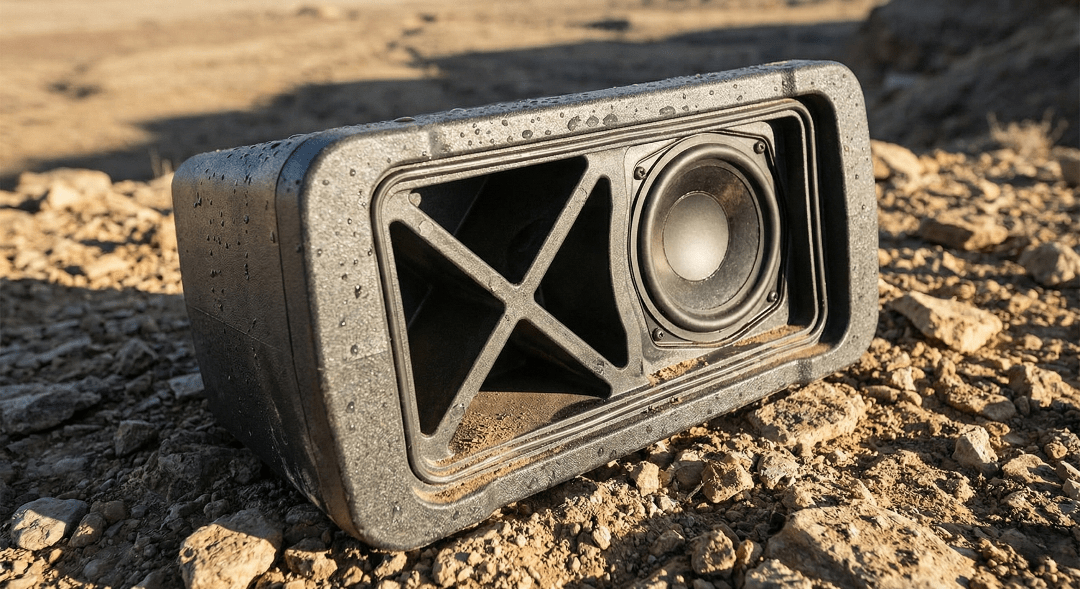
Furthermore, outdoor audio has a lower return rate than many other electronics. Because these products are built to withstand harsh weather conditions, they are inherently more durable. This reliability translates to fewer warranty claims and higher long-term satisfaction for both the dealer and the end-user.
Leveraging Private Label and OEM Partnerships
One of the most powerful tools for distributors is the ability to offer exclusive products. Working with an outdoor living product manufacturer that supports private label strategies allows you to create a unique brand identity. This strategy protects your margins by preventing direct price comparisons with online retailers.
When you engage in OEM outdoor lighting or audio manufacturing, you control the branding, packaging, and marketing narrative. This is particularly effective for distributor private label products because it fosters loyalty. Dealers become partners in your brand’s success rather than just transactional buyers. If they sell your branded audio system, they are invested in its reputation and performance.
Consider the difference between selling a generic brand versus a co-branded solution. A co-branded outdoor lighting programs approach can be extended to audio. For example, a distributor might partner with a regional landscape design firm to create a signature audio line. This exclusivity makes your offering indispensable to that specific dealer network.
Comparison: Generic vs. Private Label Audio
| Feature | Generic Brand Audio | Private Label Outdoor Audio |
|---|---|---|
| Price Competition | High; easily compared online | Low; unique to your distribution channel |
| Brand Loyalty | Low; dealers switch for slight price drops | High; dealers invest in your brand equity |
| Margin Control | Thin; dictated by manufacturer | Flexible; set by distributor strategy |
| Marketing Support | Minimal; shared with all distributors | Customizable; tailored to your region |
| Product Differentiation | None; identical to competitors | High; unique features and aesthetics |
Integrating Audio with Lighting and Hardscaping
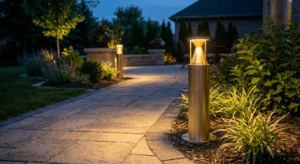
The strongest sales arguments for outdoor audio come from integration. Most high-end outdoor projects now include professional landscape lighting solutions. Adding audio to this mix creates a complete sensory experience. Distributors should train their sales teams to pitch audio and lighting as a unified system.
An outdoor lighting manufacturer often has the same supply chain logistics as an audio provider. By consolidating these categories, you simplify ordering for dealers. They can place one order for hardscape lighting private label fixtures and matching speakers. This efficiency reduces administrative overhead and speeds up project timelines.
If you need to increase average order value, bundle audio with lighting kits. If you want to attract high-end custom builders, offer premium, discreet audio solutions that complement architectural lighting. This conditional approach ensures you meet the specific needs of different dealer segments. Adhering to CEDIA smart home integration standards ensures that these systems work seamlessly together, providing a superior user experience.
Pros and Cons of Bundled Distribution
Pros:
- Higher Ticket Sales: Combining audio and lighting increases the total transaction value.
- Simplified Logistics: One shipment for multiple product categories reduces freight costs.
- Stronger Dealer Relationships: Providing a comprehensive solution makes you a strategic partner.
- Cross-Selling Opportunities: Lighting buyers are prime candidates for audio upgrades.
Cons:
- Inventory Complexity: Managing SKUs for two different technology types requires robust systems.
- Training Requirements: Sales staff must understand both audio specs and lighting design.
- Initial Investment: Sourcing high-quality products from an outdoor living accessories manufacturer may require larger minimum orders.
Step-by-Step Guide to Launching an Audio Category
Entering the outdoor audio market requires a structured approach. Follow these steps to ensure a successful launch.
- Assess Dealer Demand: Survey your existing dealer network. Ask if they currently outsource audio or if they struggle with current suppliers. Identify gaps in their current offerings.
- Select the Right Manufacturer: Look for an experienced OEM and ODM partner with a proven track record in durability. Verify their warranty terms and technical support capabilities. Ensure they offer ODM outdoor lighting and audio options if you plan to customize designs.
- Define Your Private Label Strategy: Decide whether you want a fully private label brand or a co-branded approach. Determine your target price point and margin goals. Work with a provider of contract private label manufacturing who can also handle audio to streamline production.
- Develop Training Materials: Create simple guides for dealers. Explain the technical benefits of your audio systems. Highlight how easy they are to install alongside private label outdoor living products.
- Launch with a Pilot Program: Select a small group of key dealers to test the product. Gather feedback on packaging, installation ease, and sound quality. Use this data to refine your offering before a full rollout.
- Market the Integration: Promote the synergy between your audio and lighting lines. Use case studies to show how combined systems enhance outdoor living spaces.
Do’s and Don’ts for Distributors
To succeed in outdoor audio distribution, avoid common pitfalls and follow best practices.
Do:
- Do prioritize weather resistance ratings (IP67 or higher) to minimize returns.
- Do offer technical support resources for dealers who are new to audio installation.
- Do bundle audio with popular private label outdoor lighting items for promotional campaigns.
- Do attend industry trade shows to stay updated on smart home integration trends.
Don’t:
- Don’t compete solely on price with big-box retailers; focus on value and service.
- Don’t ignore the importance of aesthetic design; outdoor speakers must blend with landscaping.
- Don’t overlook the need for proper amplification and wiring accessories in your inventory.
- Don’t assume all dealers know how to sell audio; provide ongoing education and sales tools.
The Regional Distributor Success Story
A mid-sized distributor in the Southeast United States. This company primarily sold OEM outdoor lighting to landscape contractors. They noticed that their top dealers were increasingly asked about background music for patios. Instead of referring these leads elsewhere, the distributor partnered with a specialized outdoor audio manufacturer.
They launched a private label line of rock speakers and subwoofers that matched the aesthetic of their existing outdoor living accessories collection. By training their sales team to pitch audio as an add-on to lighting projects, they increased their average order value by 25% within the first year. Dealers appreciated the single-source convenience, and the distributor secured a loyal customer base that was less sensitive to price fluctuations. This case illustrates how strategic category expansion can drive significant growth.
Quick Answers – FAQ Section
What is the benefit of private label outdoor audio for distributors?
A: Private label outdoor audio allows distributors to control pricing, build brand loyalty, and avoid direct comparison with online retailers. It creates a unique product offering that dealers cannot find elsewhere.
How does outdoor audio integrate with landscape lighting?
A: Audio and lighting share similar installation pathways and power requirements. Bundling them simplifies the process for contractors and creates a cohesive outdoor living experience for homeowners.
What should I look for in an outdoor audio manufacturer?
A: Look for manufacturers with strong IP ratings for weather resistance, reliable warranty support, and flexibility in ODM outdoor lighting and audio customization. Technical support for dealers is also critical.
Is outdoor audio a seasonal product?
A: While sales peak in spring and summer, outdoor audio is increasingly used year-round in warmer climates. Marketing it as part of a permanent outdoor room structure helps mitigate seasonality.
Can I bundle audio with other outdoor living products?
A: Yes, bundling audio with private label outdoor living products like furniture or pergolas creates high-value packages. This approach appeals to homeowners looking for turnkey solutions.
What is the typical margin for outdoor audio distribution?
A: Margins vary by brand and volume, but private label audio typically offers higher margins than national brands. Distributors can often achieve 30-50% gross margins depending on their pricing strategy.
Glossary of Terms
IP Rating: Ingress Protection rating that defines the level of sealing effectiveness of electrical enclosures against intrusion from foreign bodies like dust and water.
OEM (Original Equipment Manufacturer): A company that produces parts or equipment that may be marketed by another manufacturer under their own brand name.
Private Label: Products manufactured by one company but sold under another company’s brand name, allowing the seller to control branding and pricing.
Soundscaping: The art of designing outdoor audio systems to blend seamlessly with the natural environment and architectural elements of a landscape.
Conclusion
The case for expanding into outdoor audio distribution is clear. It offers a pathway to higher margins, deeper dealer relationships, and differentiation in a crowded market. By leveraging private label outdoor audio and integrating with existing lighting portfolios, distributors can position themselves as essential partners in the outdoor living industry.
Success in this category requires choosing the right outdoor audio manufacturer and committing to dealer education. When you provide a seamless, high-quality solution that combines sound, light, and design, you create value that goes beyond the product itself.
Now is the time to evaluate your current offerings and consider how audio can elevate your distribution business. Reach out to our team to explore our private label programs and start building your outdoor audio category today.