Key Takeaways
- Distributor-led outdoor living projects create higher profit margins than traditional wholesale models.
- Private label outdoor lighting and audio allow distributors to differentiate their brand from competitors.
- Partnering with flexible OEM and ODM manufacturers reduces risk while enabling custom product development.
- Co-branded programs help distributors test new categories without full private label commitment.
- Owning the project scope strengthens relationships with contractors and end-consumers alike.

Introduction
The traditional distribution model is undergoing a radical transformation. For decades, distributors served primarily as logistical intermediaries, moving goods from manufacturers to contractors with minimal value addition. However, the booming outdoor living market presents a unique opportunity for forward-thinking distributors to redefine their role.
According to recent industry growth data from the NALP, homeowner investment in outdoor spaces continues to rise, signaling a shift toward more complex, integrated designs. By shifting toward distributor-led outdoor living projects, companies can capture significantly more value, enhance brand loyalty, and secure long-term profitability.
This shift is not merely about selling more boxes; it is about curating complete solutions. Homeowners and contractors increasingly seek seamless integration of hardscaping, lighting, audio, and accessories. When distributors take ownership of these components through private label strategies and strategic manufacturing partnerships, they become indispensable partners rather than commoditized suppliers. This article explores how distributors can leverage private label outdoor lighting, audio, and accessories to lead the market.
The Strategic Shift: From Box Mover to Solution Provider
The outdoor living industry has matured. It is no longer just about decks and patios; it is about creating functional outdoor rooms. This evolution demands a more sophisticated supply chain. Distributors who remain passive risk being squeezed by margin compression and direct-to-consumer trends. Those who embrace distributor-led outdoor living projects position themselves as essential consultants and brand builders.
Why Ownership Matters
Owning more of the project means controlling the product mix, branding, and customer experience. When a distributor offers exclusive private label outdoor living products, they remove direct price comparisons. Contractors cannot easily shop around for a cheaper alternative if the product is unique to your distribution network. This exclusivity builds stickiness and protects margins.
Furthermore, leading the project allows distributors to influence design trends. Instead of reacting to what manufacturers produce, distributors can specify features that meet local market demands. If you need specific color temperatures for landscape lighting in coastal areas, you can dictate those specs to your manufacturing partners.
Understanding the 2026 residential outdoor trends can help you align your product development with where the market is heading.
Leveraging Private Label for Competitive Advantage
Private labeling is the cornerstone of the modern distributor strategy. It transforms generic commodities into branded assets.
Private Label Outdoor Lighting
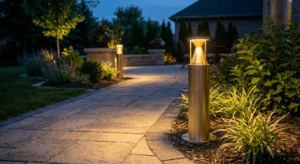
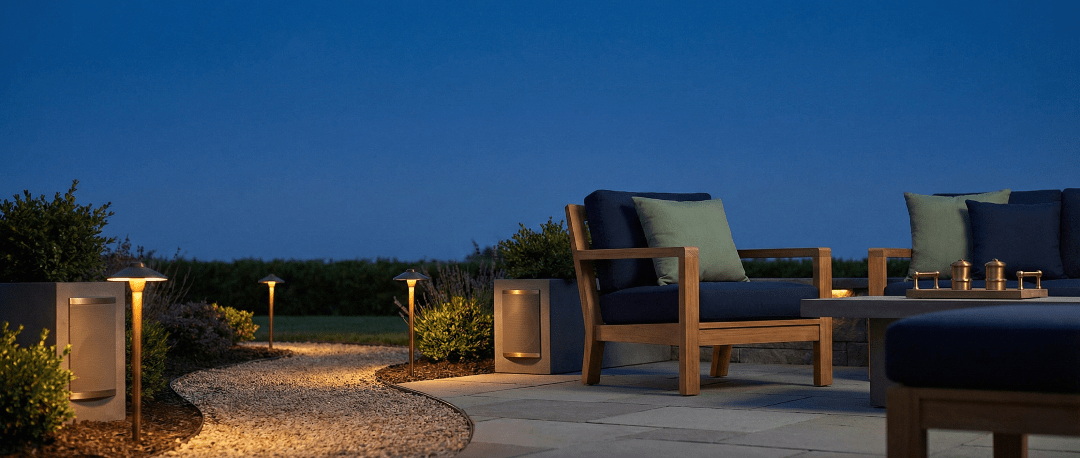
Lighting is often the highest-margin component of an outdoor project. By working with a private label manufacturing partner, distributors can create bespoke collections that align with their brand identity. Whether it is sleek modern fixtures or rustic lanterns, owning the lighting line ensures consistent quality and availability.
Consider the difference between stocking a national brand versus your own label. With a national brand, you compete on price with every other distributor in the region. With hardscape lighting private label products, you offer something unique. Contractors become advocates for your brand because they know they can only get it through you.
Private Label Outdoor Audio
Audio is another high-growth category. Many homeowners want immersive soundscapes but are overwhelmed by technical complexity. A premium outdoor audio solution simplifies this for contractors. By curating speakers, amplifiers, and controllers under your brand, you provide a plug-and-play solution. This reduces support calls and increases contractor confidence.
The Role of OEM and ODM Partnerships
To succeed in private labeling, distributors must understand the manufacturing landscape. There are two primary models:
- OEM (Original Equipment Manufacturer): You provide the design and specifications, and the factory builds it to your exact requirements. This offers maximum customization but requires higher minimum order quantities (MOQs).
- ODM (Original Design Manufacturer): The factory provides existing designs that you can brand with your logo. This is faster to market and requires lower upfront investment.
Choosing between OEM outdoor lighting and ODM outdoor lighting depends on your resources. If you have a strong design team and capital, OEM allows for true differentiation. If you need speed to market, ODM is the smarter choice. Many successful distributors start with ODM and transition to OEM as their brand matures. For a deeper dive, read our guide on OEM and ODM manufacturing models.
Step-by-Step Guide to Launching a Private Label Line
Launching a private label program requires careful planning. Follow these steps to minimize risk and maximize success.
- Identify Market Gaps: Analyze your sales data. What are contractors complaining about? Is there a lack of durable landscape lighting private label options? Are current audio systems too complex? Identify the pain points.
- Select the Right Manufacturing Partner: Not every outdoor living product manufacturer is equipped for private label work. Look for partners with proven experience in distributor private label products. Verify their safety certifications and compliance standards to ensure they meet US regulatory requirements.
- Define Your Brand Identity: Your private label should reflect your company’s values. Is it premium and luxury? Or rugged and affordable? Ensure your packaging, marketing materials, and product design align with this identity.
- Start Small with Pilot Products: Do not launch an entire catalog at once. Start with three to five hero SKUs. For example, launch a single line of path lights and a basic speaker system. Test these in the market before expanding.
- Develop Contractor Support Materials: Provide training, installation guides, and marketing collateral. Help your customers sell your brand. If they succeed, you succeed.
- Gather Feedback and Iterate: Use the first six months to collect feedback. Adjust specs, packaging, or pricing based on real-world performance.
Comparing Sourcing Models
Understanding the trade-offs between different sourcing strategies is critical for decision-making.
| Feature | National Brands | ODM Private Label | OEM Private Label |
|---|---|---|---|
| Time to Market | Immediate | Fast (3–6 months) | Slow (6–12 months) |
| Customization | None | Low to Medium | High |
| Minimum Order Qty | Low | Medium | High |
| Margin Potential | Low | Medium | High |
| Brand Control | None | Full | Full |
| Risk Level | Low | Medium | High |
If you need immediate inventory to fill gaps, national brands are necessary. However, if you seek long-term margin growth, ODM outdoor lighting offers a balanced entry point. For established distributors seeking total market differentiation, OEM outdoor lighting is the ultimate goal.
Pros and Cons of Distributor-Led Projects
Before committing resources, weigh the advantages and challenges.
Pros:
- Higher Margins: Eliminate the manufacturer’s brand premium.
- Brand Loyalty: Contractors rely on your exclusive products.
- Control: Dictate quality, packaging, and features.
- Differentiation: Stand out in a crowded market.
Cons:
- Upfront Investment: Requires capital for tooling and inventory.
- Liability: You are responsible for product recalls and warranties.
- Complexity: Managing manufacturing relationships adds operational overhead.
- Marketing Burden: You must build brand awareness from scratch.
Do’s and Don’ts for Success
Do:
- Do vet your outdoor audio manufacturer thoroughly for quality consistency.
- Do invest in professional photography and packaging design.
- Do start with co-branded outdoor lighting programs if you are unsure about full private labeling.
- Do provide robust technical support for your contractors.
Don’t:
- Don’t compromise on quality to save costs; it will damage your reputation.
- Don’t ignore intellectual property rights when working with overseas factories.
- Don’t launch too many SKUs initially; focus on best-sellers.
- Don’t neglect after-sales service; it is key to retention.
The Regional Distributor Success Story
Consider a mid-sized distributor in the Southeast United States, “SunState Supply.” Historically, SunState sold generic landscape lighting from various national brands. Margins were thin, and contractors frequently switched suppliers for minor price differences.
SunState decided to launch a distributor-led outdoor living projects initiative. They partnered with an experienced private label lighting manufacturer in Asia to create a line of low-voltage LED fixtures branded as “SunState Pro.” They also introduced a simple, durable outdoor speaker system under the same brand.
Within 18 months, SunState reported a 25% increase in gross margin on lighting sales. Contractors began specifying “SunState Pro” in their bids because they knew the product was reliable and exclusively available through SunState. The distributor also reduced customer service calls because the simplified audio system was easier to install. This case illustrates how strategic private labeling can transform a commodity business into a brand-driven enterprise. For more examples, explore our real-world distributor success stories.
Conditional Reasoning for Strategy Selection
Making the right choice depends on your current business state.
- If you have limited capital but want to test private labeling, choose ODM outdoor lighting. It allows you to brand existing designs with lower MOQs, reducing financial risk while building brand recognition.
- If you have a strong design team and want unique market positioning, choose OEM outdoor lighting. This enables you to create proprietary features that competitors cannot copy, establishing a true moat around your business.
Quick Answers – FAQ Section
What is the main benefit of distributor-led outdoor living projects?
A: The primary benefit is increased profit margins and greater control over product quality and branding, which fosters stronger contractor loyalty.
How do I find a reliable private label outdoor lighting manufacturer?
A: Research industry trade shows, verify factory certifications, and request samples. Look for manufacturers with experience in distributor private label products and positive references.
Is it better to use OEM or ODM for outdoor audio?
A: ODM is better for beginners due to lower costs and faster launch times. OEM is preferable if you have specific technical requirements and larger volume commitments.
Can I start with co-branded programs before full private label?
A: Yes, co-branded outdoor lighting programs are an excellent low-risk way to test market response and build relationships with manufacturers before committing to full private labeling.
What are the risks of private label outdoor living products?
A: Risks include quality control issues, inventory obsolescence, and liability for product defects. Mitigate these by partnering with reputable outdoor living product manufacturers and maintaining strict QC protocols.
How does private label affect contractor relationships?
A: It strengthens relationships by offering exclusive products that protect contractor margins and differentiate their services from competitors using generic brands.
Glossary of Terms
OEM (Original Equipment Manufacturer): A company that produces parts or equipment based on the buyer’s design and specifications, allowing for high customization.
ODM (Original Design Manufacturer): A company that designs and manufactures products that are rebranded by the buyer, offering faster time to market with less customization.
Private Label: Products manufactured by one company but sold under another company’s brand name, giving the seller control over branding and pricing.
Co-Branding: A marketing partnership where two brands appear together on a product, sharing recognition and risk while testing new markets.
Conclusion
The future of distribution lies in value creation, not just movement of goods. By embracing distributor-led outdoor living projects, companies can unlock new revenue streams, deepen contractor relationships, and build lasting brand equity. Whether through private label outdoor lighting, private label outdoor audio, or strategic OEM outdoor lighting partnerships, the opportunities are vast.
Now is the time to evaluate your current product mix and identify where private labeling can make the biggest impact. Start small, partner wisely, and take ownership of your segment of the outdoor living market. Your competitors are already considering this shift—don’t let them lead the way. Explore our full range of complete outdoor living accessories to see how we can support your growth.