Key Takeaways
- Internal product development costs frequently exceed budgets due to unforeseen engineering iterations and regulatory compliance hurdles.
- Outsourcing to established outdoor lighting and audio manufacturers eliminates the need for costly in-house R&D teams.
- Private label programs offer faster market entry compared to building proprietary manufacturing infrastructure from scratch.
- Maintaining quality control internally requires significant investment in testing equipment and specialized personnel.
- Partnering with an outdoor living product manufacturer reduces liability risks associated with product safety certifications.
- Scalability is easier when leveraging an existing supply chain rather than managing raw material procurement independently.
Introduction
Many business leaders assume that bringing production in-house guarantees higher margins and tighter quality control. However, this strategy often overlooks the substantial capital required to build a competitive manufacturing operation. When analyzing internal product development costs, companies frequently underestimate expenses related to specialized labor, regulatory compliance, and supply chain logistics.
For brands in the outdoor living sector, such as those selling lighting or audio equipment, the barrier to entry is particularly high. Developing durable, weather-resistant products requires rigorous testing and engineering expertise that takes years to cultivate.
This article explores the hidden financial burdens of internal development and explains why partnering with established manufacturers may be the smarter strategic move for growing brands.
The True Breakdown of In-House Expenses
When calculating the cost of creating a new product line, most executives focus on direct materials and labor. Yet, these visible costs represent only a fraction of the total expenditure. The hidden costs emerge in the phases preceding mass production and continue throughout the product lifecycle.
Research and Development Overheads
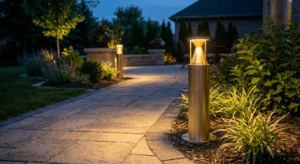
Creating a viable product from concept to prototype demands significant engineering resources. If you are developing private label outdoor lighting, you must invest in electrical engineering talent familiar with low-voltage systems and LED technology.
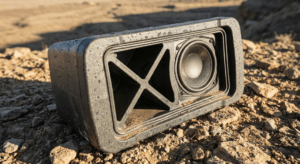
Similarly, private label outdoor audio requires acoustic engineers who understand sound dispersion in open environments.
Hiring these specialists is expensive. Beyond salaries, you must provide them with advanced software licenses, prototyping tools, and testing facilities. Industry experts suggest that R&D can consume up to 15% of a project’s total budget before a single unit is sold.
Regulatory Compliance and Certification
Outdoor products face strict regulatory scrutiny. In the United States, electrical products must meet Underwriters Laboratories (UL) standards, while wireless devices require Federal Communications Commission (FCC) certification. Navigating these requirements internally is costly.
If you choose to handle compliance in-house, you must hire regulatory affairs specialists and pay for third-party testing labs. Failure to secure proper certification can result in hefty fines and product recalls, as outlined by the U.S. Consumer Product Safety Commission. An outdoor lighting manufacturer already possesses these certifications, allowing you to leverage their compliance infrastructure through private label agreements.
Tooling and Capital Expenditure
Manufacturing requires specialized molds, dies, and assembly lines. For OEM outdoor lighting or ODM outdoor lighting, the initial tooling costs can run into the hundreds of thousands of dollars. These are sunk costs that do not generate revenue until products are sold.
Maintaining this equipment adds another layer of expense. Machines require regular maintenance, repairs, and eventual replacement. By partnering with a private label lighting manufacturer, you shift these capital expenditures to the supplier, converting fixed costs into variable costs based on order volume.
Step-by-Step: Calculating Your Real Development Budget
To understand the full financial impact, follow this step-by-step assessment of your potential internal development pathway.
- Identify Core Competencies: List the technical skills required for your product. For landscape lighting private label items, this includes electrical engineering, metallurgy, and waterproofing technologies.
- Estimate Talent Acquisition Costs: Calculate salaries, benefits, and recruitment fees for the necessary engineering and quality assurance teams.
- Factor in Facility Requirements: Determine if your current space can handle prototyping and small-batch production. If not, include lease and utility costs for additional square footage.
- Assess Compliance Expenses: Research the specific certifications needed for your product category. Include fees for testing labs and consultant retainers.
- Calculate Tooling Amortization: Estimate the cost of molds and machinery, then divide by the projected first-year sales volume to determine the per-unit impact.
- Add Contingency Buffers: Add 20–30% to your total estimate to account for delays, design iterations, and supply chain disruptions.
Internal Development vs. Strategic Partnerships
Choosing between building internally and partnering with an outdoor living product manufacturer involves trade-offs. The following table compares key factors to help you make an informed decision.
| Factor | Internal Development | Partnering with Manufacturer |
|---|---|---|
| Upfront Capital | High (Facilities, Equipment, Hiring) | Low (Minimum Order Quantities) |
| Time to Market | Slow (12–24 months for R&D) | Fast (3–6 months for customization) |
| Quality Control | Direct oversight but high responsibility | Shared responsibility via SLAs |
| Scalability | Limited by capacity constraints | Highly scalable via supplier network |
| Expertise Access | Must hire and train internally | Immediate access to specialized engineering knowledge |
| Risk Exposure | High (All risk borne internally) | Lower (Shared risk with partner) |
Pros and Cons of In-House Production
Pros:
- Complete control over intellectual property and design details.
- Direct oversight of every production stage.
- Potential for higher margins at very large scales.
Cons:
- Massive upfront capital investment with no guaranteed return.
- Slower response to market trends due to rigid infrastructure.
- High operational complexity requiring diverse management skills.
- Difficulty in achieving economies of scale without huge volume.
Strategic Sourcing for Outdoor Living Brands
For many companies, the optimal path lies in leveraging distributor private label products or working directly with manufacturers. This approach allows you to focus on branding and marketing while leaving production to experts.
Leveraging Specialized Manufacturers
An outdoor audio manufacturer has already solved the complex challenges of weatherproofing speakers and optimizing battery life. By engaging in co-branded outdoor lighting programs, you can offer unique products without bearing the burden of innovation costs.
Consider the case of a mid-sized landscaping supply company. They initially attempted to develop their own line of hardscape lighting private label fixtures. After two years and significant overspending, they realized their internal team lacked the specific expertise in thermal management required for LED longevity.
They switched to partnering with an established private label outdoor living products supplier. Within six months, they launched a certified, high-quality line that met customer expectations, freeing their internal team to focus on sales and customer service.
Conditional Decision Making
Making the right choice depends on your specific business context.
- If you need rapid market entry to capitalize on a seasonal trend, choose a private label partner who has existing molds and certifications ready for customization.
- If you have a highly proprietary technology that cannot be replicated by competitors, choose internal development to protect your intellectual property, provided you have the capital to sustain long R&D cycles.
- If you lack in-house engineering expertise, choose a specialized ODM partner who can handle both design and manufacturing, reducing your technical risk.
Do’s and Don’ts of Product Development Strategy
Do:
- Conduct thorough due diligence on potential manufacturing partners.
- Clearly define quality standards and acceptance criteria in contracts.
- Start with smaller order volumes to test market response before scaling.
- Invest in strong branding to differentiate your private label offerings.
Don’t:
- Underestimate the time required for regulatory approvals and testing.
- Ignore the hidden costs of inventory storage and logistics management.
- Attempt to compete on price alone without achieving significant economies of scale.
- Neglect to plan for end-of-life product disposal and environmental compliance.
Quick Answers – FAQ Section
What are the biggest hidden costs in internal product development?
A: The largest hidden costs include regulatory compliance, specialized talent acquisition, tooling amortization, and ongoing equipment maintenance.
How does private label outdoor lighting reduce costs?
A: It eliminates R&D and tooling expenses by leveraging the manufacturer’s existing designs and certifications, allowing you to focus on branding.
Is it cheaper to manufacture outdoor audio products in-house?
A: Rarely for small to mid-sized brands, as the specialized engineering and testing equipment required for weather-resistant audio is prohibitively expensive.
What is the difference between OEM and ODM in outdoor lighting?
A: OEM involves manufacturing your specific design, while ODM involves adapting the manufacturer’s existing design, which is faster and cheaper.
How long does it take to launch a private label outdoor living product?
A: Typically 3–6 months, depending on customization levels, compared to 12–24 months for internal development.
Can I customize co-branded outdoor lighting programs?
A: Yes, most manufacturers offer customization options for finishes, packaging, and minor design tweaks to align with your brand identity.
Glossary of Terms
OEM (Original Equipment Manufacturer): A company that produces parts or equipment that may be marketed by another manufacturer under their own brand name.
ODM (Original Design Manufacturer): A company that designs and manufactures a product that is eventually branded and sold by another company.
Private Label: Products manufactured by one company but offered for sale under another company’s brand name.
Tooling: The specialized molds, dies, and fixtures required to manufacture a specific product component, often representing a significant upfront cost.
Conclusion
Understanding the true scope of internal product development costs is critical for making informed strategic decisions. While the allure of complete control is strong, the financial reality often favors partnership. By leveraging the expertise of established manufacturers, brands can avoid the pitfalls of hidden expenses and accelerate their path to profitability.
For companies in the outdoor living sector, focusing on brand building and customer experience while outsourcing production offers a sustainable competitive advantage. Evaluate your current capabilities honestly, consider the long-term financial implications, and choose the path that aligns with your growth objectives.
Contact our team today to discuss how our private label programs can help you launch high-quality outdoor products without the hidden costs of internal development.