Key Takeaways
- Adding low voltage product lines creates new revenue streams without significant inventory risk.
- Partnering with an outdoor lighting manufacturer allows for private label branding opportunities.
- Contractors prefer one-stop shops for both irrigation and landscape lighting supplies.
- Private label outdoor lighting offers higher margins than standard branded goods.
- Successful integration requires training sales teams on electrical basics and design principles.
- Co-branded programs can help distributors differentiate from big-box competitors.
Introduction
The outdoor living industry is evolving rapidly. Homeowners no longer view their yards as separate entities for watering and aesthetics; they see them as integrated extensions of their indoor living spaces. For decades, irrigation distributors have been the backbone of this industry, supplying the essential components that keep landscapes green. However, relying solely on water management products limits growth potential in a saturated market.
To stay competitive and increase average order values, forward-thinking businesses are expanding their catalogs. The most logical and profitable expansion is into the realm of low voltage product categories. This includes landscape lighting, outdoor audio systems, and smart control hubs. By adding these categories, irrigation distributors can transform from simple supply houses into comprehensive outdoor living partners.
This shift not only boosts revenue but also deepens relationships with contractors who are increasingly asked to handle full-scope projects. This guide explores how to make this transition smoothly, profitably, and strategically.
Why Expand Into Low Voltage Products?
The synergy between irrigation and low voltage systems is undeniable. Both require trenching, wiring or piping, and precise placement. Contractors who install irrigation systems are often the same professionals hired to install landscape lighting. When a distributor offers both, they become a one-stop shop, reducing the contractor’s need to source from multiple vendors.
Furthermore, the margin structure in low voltage lighting and audio is often more favorable than in commodity irrigation parts. While PVC pipe and sprinkler heads have thin margins due to high competition, specialized private label outdoor lighting fixtures can command premium pricing. This allows distributors to protect their bottom line while offering unique value to their customers.
This shift aligns with the broader movement toward resort-style residential spaces, where homeowners expect seamless integration of all outdoor elements.
The Contractor’s Perspective
Contractors face increasing pressure to deliver turnkey solutions. A homeowner hiring a landscaper for a patio renovation likely wants lighting and music installed simultaneously. If the contractor has to visit three different suppliers, their efficiency drops. By providing private label outdoor living products, distributors solve this logistical headache. This convenience fosters loyalty, making it less likely for contractors to switch to competitors based on price alone.
Step-by-Step Guide to Adding Low Voltage Categories
Integrating a new product category requires careful planning. Rushing into inventory purchases without a strategy can lead to dead stock. Follow these steps to ensure a successful launch.
- Assess Customer Demand: Survey your top 20 contractor accounts. Ask if they currently install lighting or audio. If they do, ask where they currently buy these products and what frustrations they have with those suppliers.
- Select the Right Manufacturing Partner: Do not try to manufacture these products yourself. Instead, partner with an established outdoor living product manufacturer. Look for partners who offer OEM and ODM manufacturing capabilities. This allows you to brand the products as your own without the overhead of R&D.
- Start with Core SKUs: Do not launch with 500 items. Start with the top 20 best-selling fixtures: path lights, well lights, spotlights, and transformers. Keep the initial inventory lean.
- Train Your Sales Team: Your inside sales team knows irrigation. They may not know lumens, color temperature, or beam angles. Invest in training so they can speak confidently about landscape lighting private label options.
- Launch a Pilot Program: Roll out the new category to a select group of loyal customers. Gather feedback on packaging, product quality, and delivery times before a full-scale launch.
Choosing the Right Manufacturing Partner
Not all manufacturers are created equal. When selecting a partner for a private label partnership, you must evaluate several critical factors. The right partner will act as an extension of your business, ensuring quality and consistency.
| Feature | Standard Brand Supplier | Private Label Manufacturer |
|---|---|---|
| Branding | Supplier’s brand name on box | Your company’s brand name |
| Margins | Lower (standard wholesale) | Higher (direct from factory) |
| Customization | None | High (colors, finishes, specs) |
| Exclusivity | Sold to all distributors | Exclusive to your territory |
| Support | General customer service | Dedicated account manager |
If you need to build brand recognition in your local market, choose a private label lighting manufacturer that allows for custom packaging and logo placement. If you are primarily focused on volume and speed, an OEM partner with ready-to-ship generic boxes might be sufficient initially.
Pros and Cons of Private Labeling
Pros:
- Higher Profit Margins: Eliminating the middleman brand increases your take-home profit.
- Brand Loyalty: Customers buy your brand, not a national brand they can find elsewhere.
- Control: You decide on product specifications, packaging, and pricing strategies.
Cons:
- Minimum Order Quantities (MOQs): Manufacturers often require larger initial orders.
- Liability: You are responsible for product quality and warranties.
- Marketing Effort: You must build awareness for your new brand from scratch.
Integrating Outdoor Audio and Smart Controls
Lighting is the entry point, but outdoor audio solutions is the next frontier. As smart home technology becomes ubiquitous, homeowners want their outdoor spaces to be connected. Distributors who offer integrated systems—where lighting and audio are controlled via a single app—gain a significant competitive advantage.
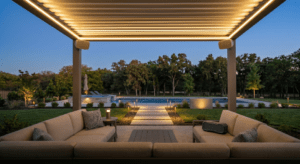
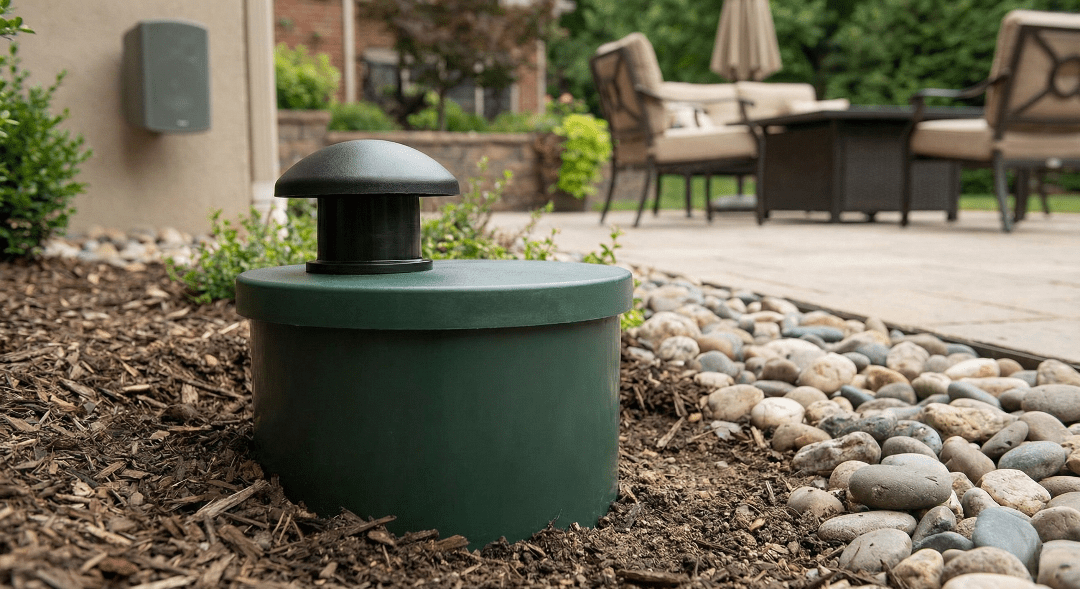
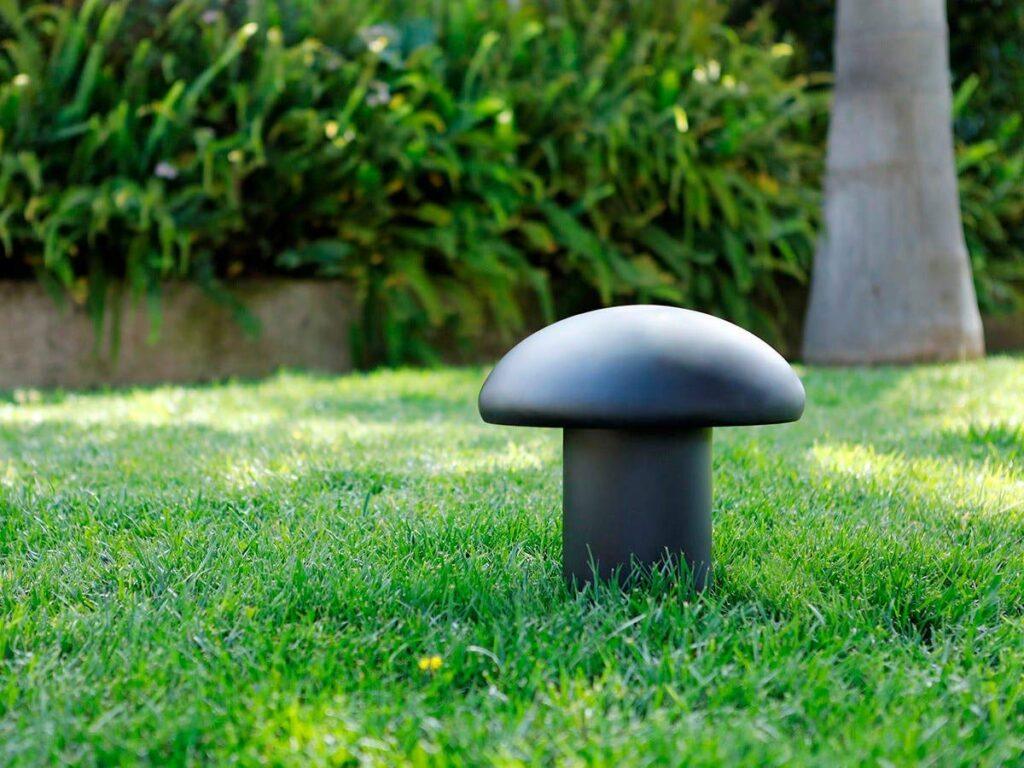
Partnering with an outdoor audio manufacturer that specializes in weather-resistant speakers and amplifiers allows you to bundle these items with lighting packages. For example, if a contractor is installing a pergola, they can offer a “Entertainment Package” that includes hidden speakers and ambient lighting. This bundling strategy increases the average ticket size significantly.
Do’s and Don’ts of Product Expansion
Do:
- Start with high-turnover items like LED path lights and basic transformers.
- Request samples from multiple hardscape lighting private label suppliers to test durability.
- Create bundled kits (e.g., “Starter Kit: 6 Path Lights + Transformer”) to simplify purchasing for contractors.
Don’t:
- Ignore the technical support requirements. Low voltage systems can be tricky for beginners.
- Overcommit to niche products like colored RGBW fixtures until you have proven demand.
- Underestimate the importance of warranty support. Have a clear process for handling returns.
The Regional Distributor Shift
“GreenScape Supply,” a mid-sized distributor in the Southeast United States. For years, they sold only irrigation components. Their sales had plateaued, and they were losing customers to online retailers who offered lower prices on PVC fittings.
GreenScape decided to partner with an ODM outdoor lighting manufacturer to create a private label line of brass and copper fixtures. They started with just ten SKUs. They trained their counter staff to ask every irrigation contractor, “Are you doing any lighting work this season?” Within six months, 40% of their irrigation customers began purchasing low voltage transformers and fixtures.
By year two, GreenScape introduced co-branded outdoor lighting programs with local landscape architects, providing them with specification sheets featuring the GreenScape brand. This move positioned them not just as a supplier, but as a design partner. Their overall revenue increased by 25%, with the low voltage category accounting for the majority of that growth. See more real-world distributor success stories to understand how similar strategies have worked for others.
Conditional Reasoning for Strategy Selection
Choosing the right path depends on your current business model.
- If you have strong relationships with high-end landscape designers, choose a private label lighting manufacturer that offers premium materials like solid brass or copper. These clients care about aesthetics and longevity over price.
- If you serve high-volume residential contractors, partner with an outdoor lighting manufacturer that offers cost-effective aluminum fixtures and fast shipping. These clients prioritize speed and margin.
Understanding your customer base is crucial. A mismatch between product quality and customer expectation will lead to returns and dissatisfaction.
FAQ: Common Questions About Adding Low Voltage Lines
What is the minimum investment to start selling low voltage products?
A: You can start with as little as $5,000–$10,000 in initial inventory if you focus on core SKUs and partner with a manufacturer with reasonable MOQs.
Do I need certified electricians on staff to sell these products?
A: No, but your sales team should understand basic low voltage principles. The actual installation is done by the contractor, who should be licensed or certified according to local laws and national low voltage safety standards.
Can I mix branded and private label products?
A: Yes, many distributors carry a national brand for comparison and their private label for margin. This gives customers choice while protecting your profitability.
How do I handle warranties for private label items?
A: Your manufacturing partner should provide a backend warranty. You pass this warranty to the contractor. Clear communication about warranty terms is essential to avoid disputes.
Is outdoor audio difficult to sell?
A: It can be if presented technically. Frame it as an “experience enhancer” rather than a tech product. Bundling it with lighting makes it an easier sell.
What is the difference between OEM and ODM?
A: OEM (Original Equipment Manufacturer) means you buy their existing design with your logo. ODM (Original Design Manufacturer) means they design and manufacture a unique product specifically for you.
How long does it take to see ROI from new product lines?
A: Most distributors see break-even within 6–9 months, with positive ROI occurring in the second year as repeat orders stabilize.
Glossary of Terms
Low Voltage Product: Electrical devices that operate on 12V or 24V power, commonly used in landscape lighting and outdoor audio for safety and energy efficiency.
Private Label: Goods manufactured by one company but sold under another company’s brand name, allowing the seller to control branding and pricing.
OEM (Original Equipment Manufacturer): A company that produces parts or equipment that may be marketed by another manufacturer under their own brand.
ODM (Original Design Manufacturer): A company that designs and manufactures a product that is eventually rebranded by another firm for sale.
Conclusion
Adding low voltage product categories is no longer a risky gamble for irrigation distributors; it is a strategic necessity. By leveraging existing contractor relationships and partnering with the right outdoor living product manufacturer, distributors can unlock new revenue streams and deepen customer loyalty. Whether through private label outdoor lighting or integrated audio solutions, the opportunity to become a holistic outdoor living partner is vast.
The key is to start small, focus on quality, and listen to your customers. With the right strategy, your distribution business can thrive in the evolving landscape of outdoor living. Connect with our team today to discuss how we can help you source the perfect private label partners for your growth journey.